
Product marketers spend hours building competitive battlecards. Research, positioning, objection handling, sales training — it's a grind. So when AI promised to help, I had to test it.
I gave ChatGPT and Claude the exact same prompt. No coaching. No follow-ups. No templates. Just one simple request and a URL.
The results? Two completely different philosophies about what sales enablement content should be.
🧪 The Experiment
The Results at a Glance
That's not a typo. Claude produced 6x more content — and it wasn't filler. It was specific, tactical, and immediately usable.
The Visual Difference: Night and Day
Before we dive into the details, look at the first page from each tool:
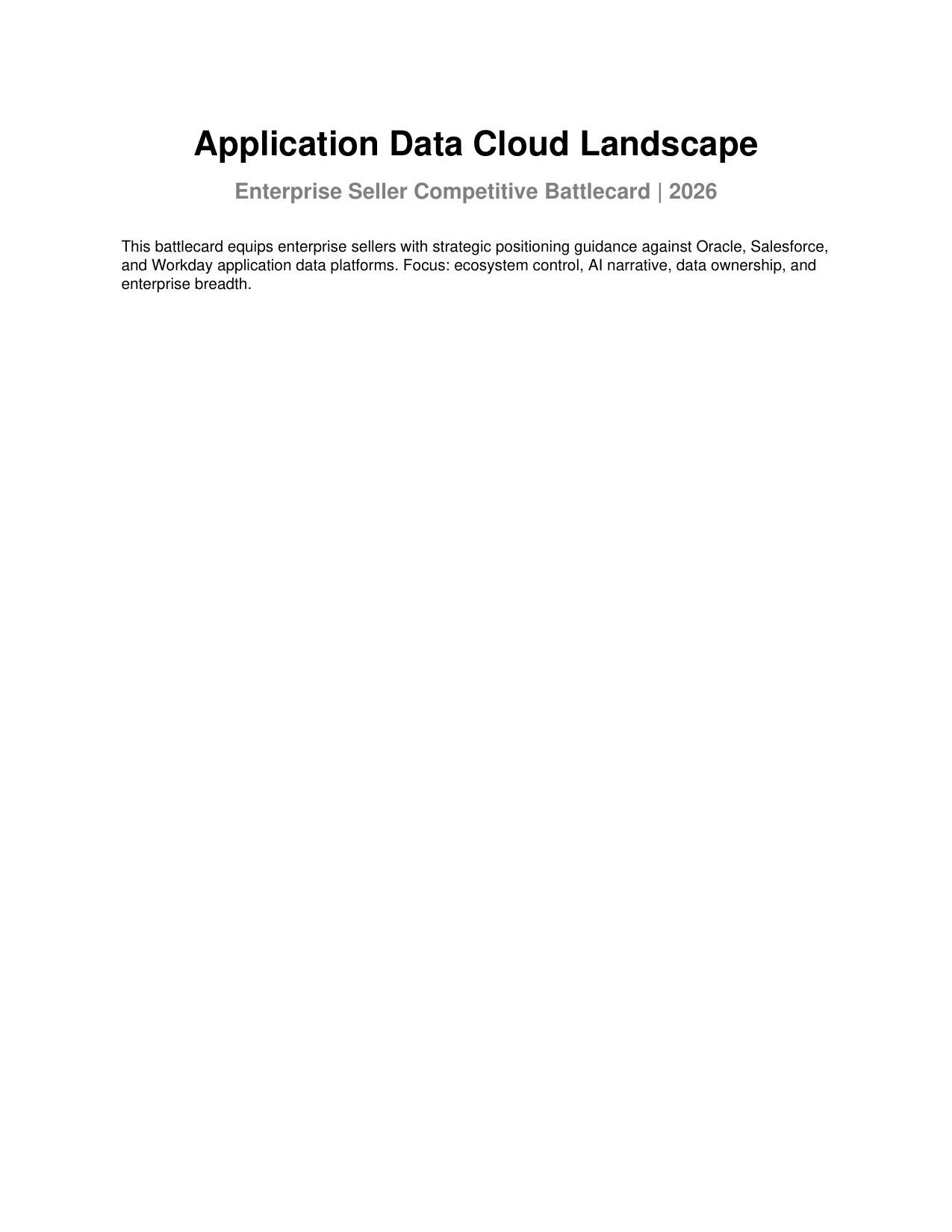
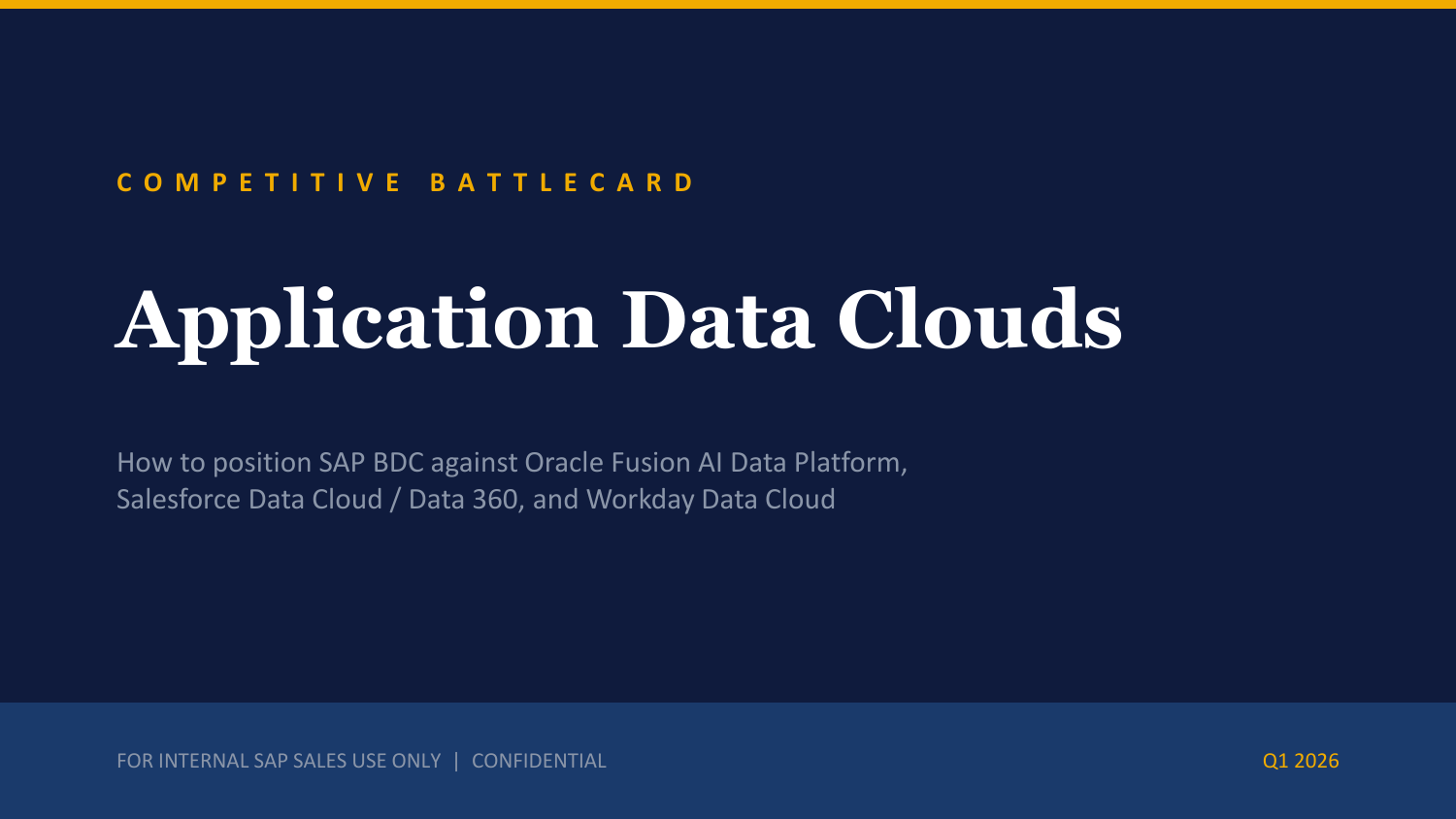
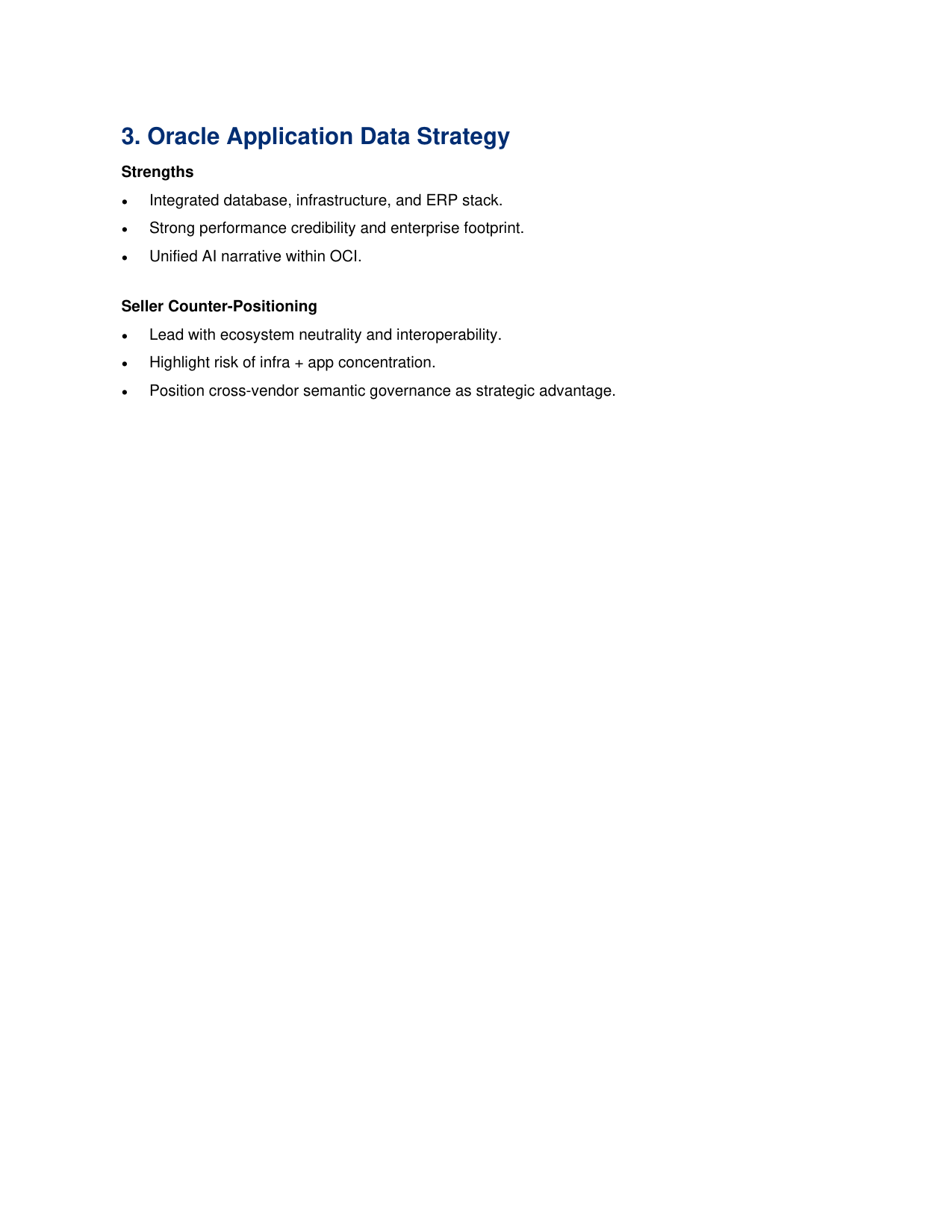
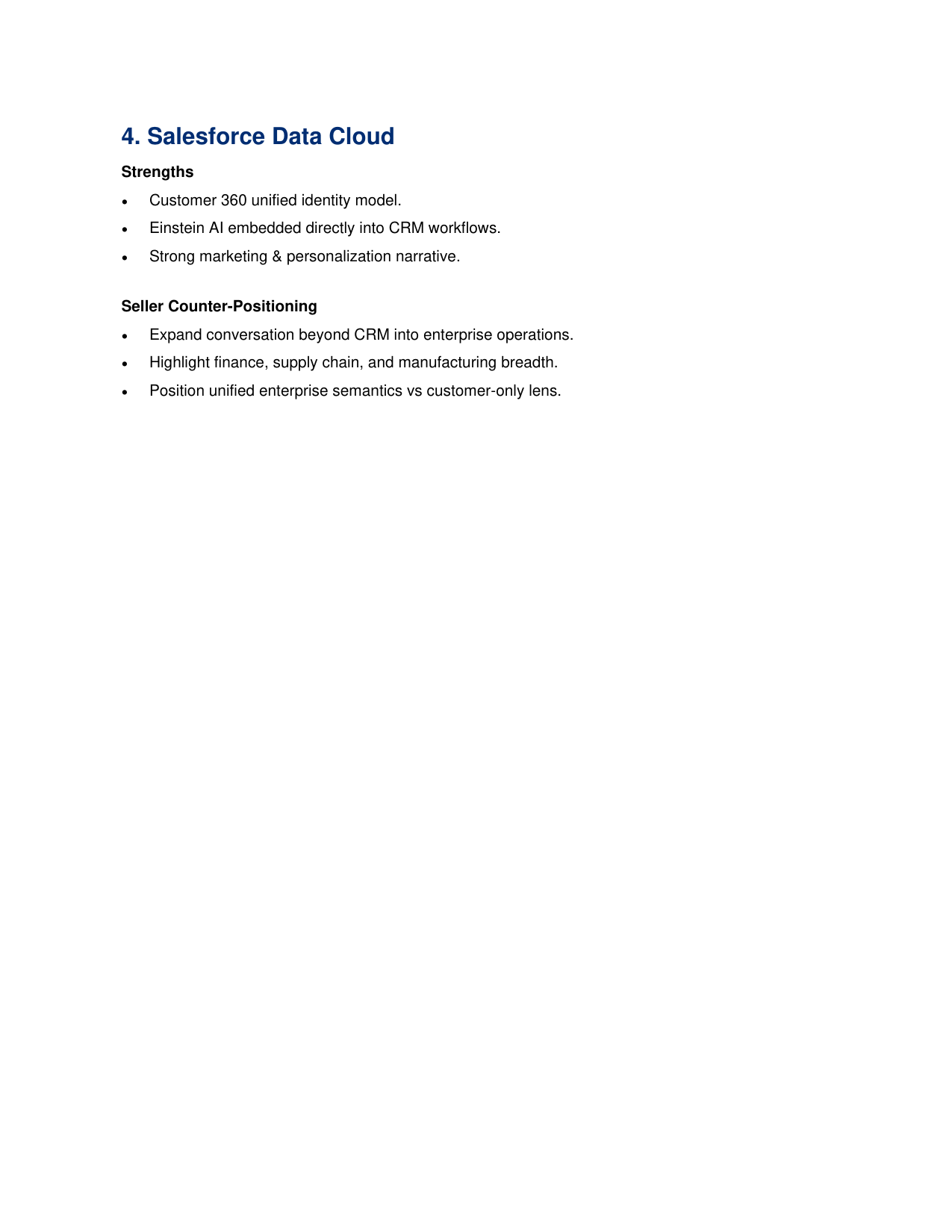
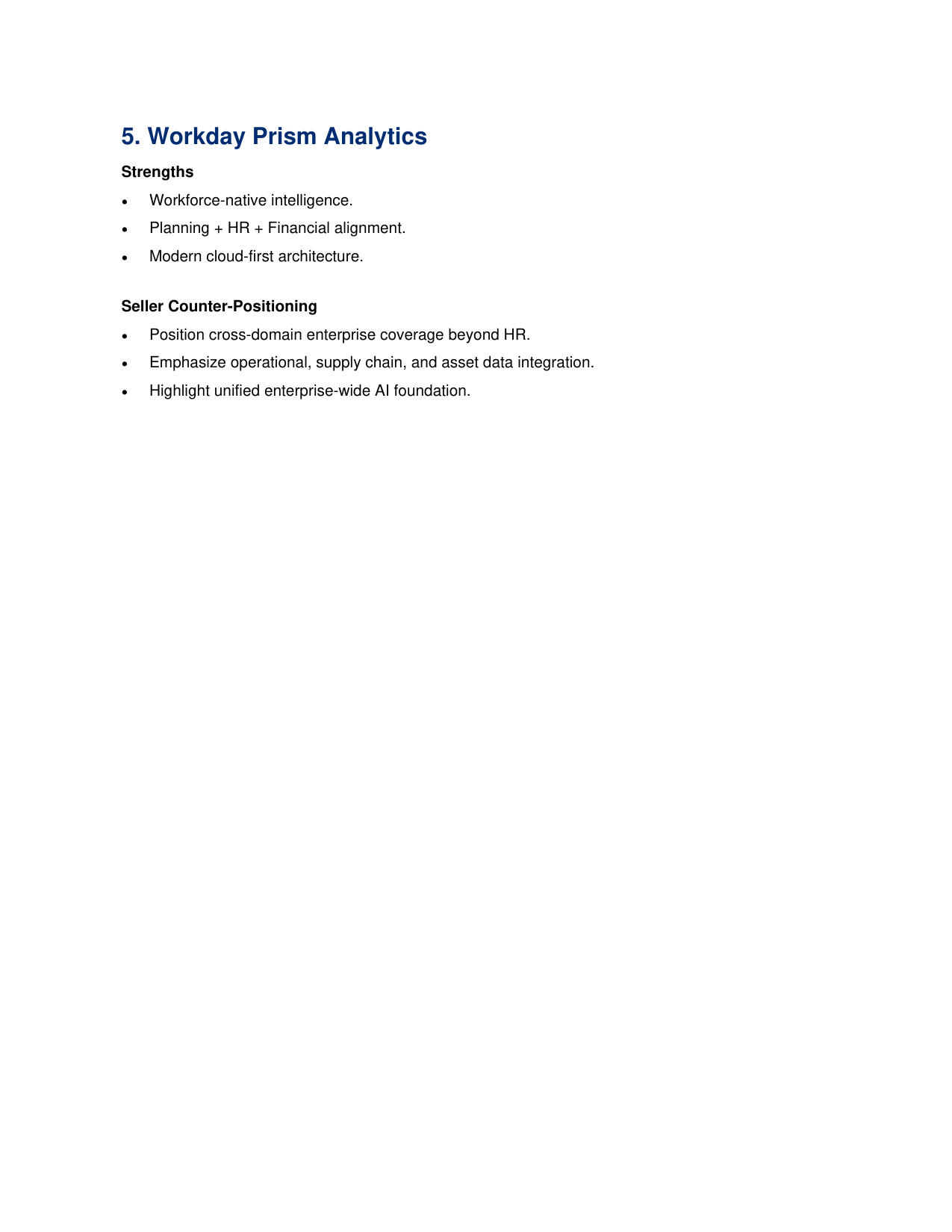
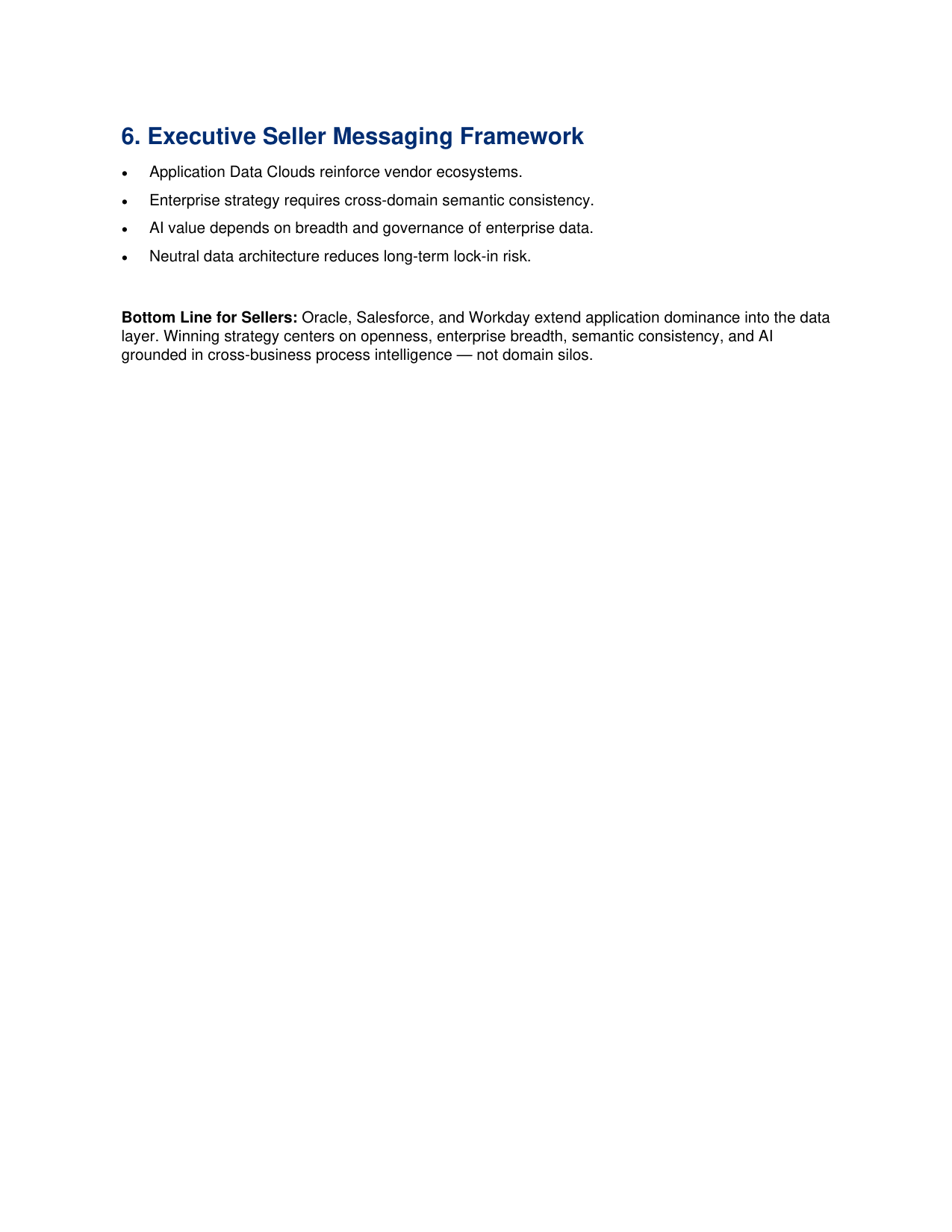
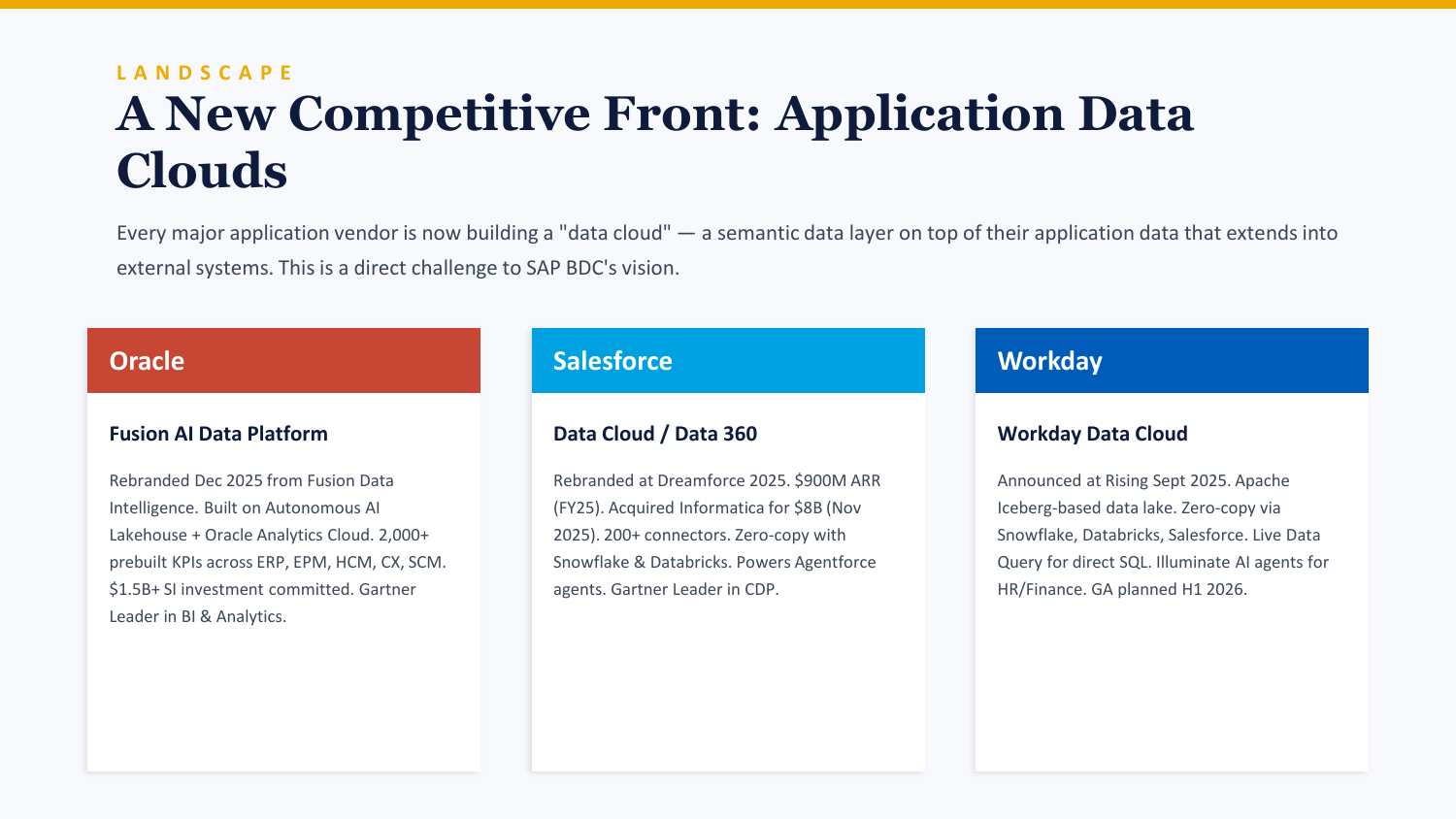
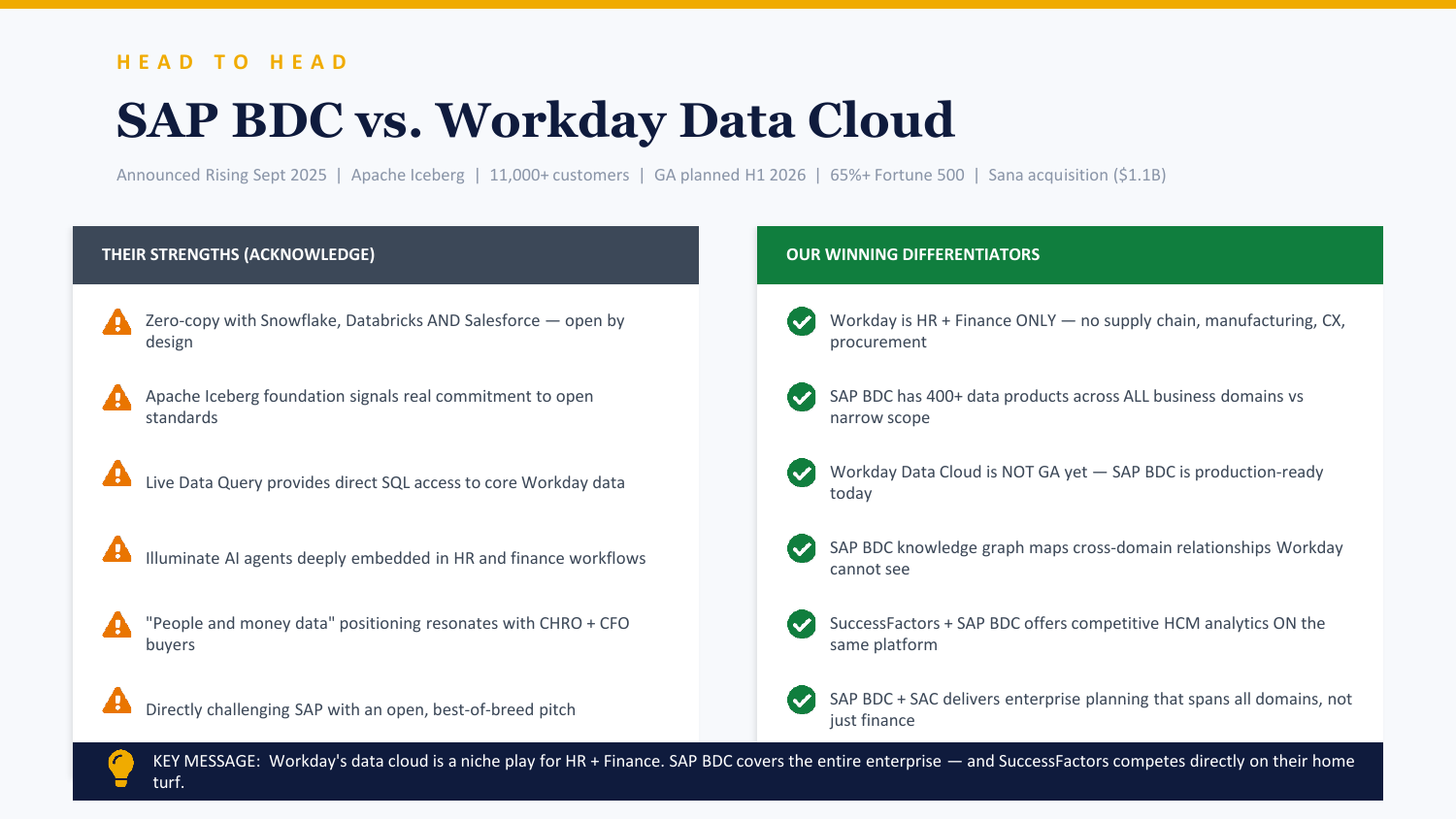
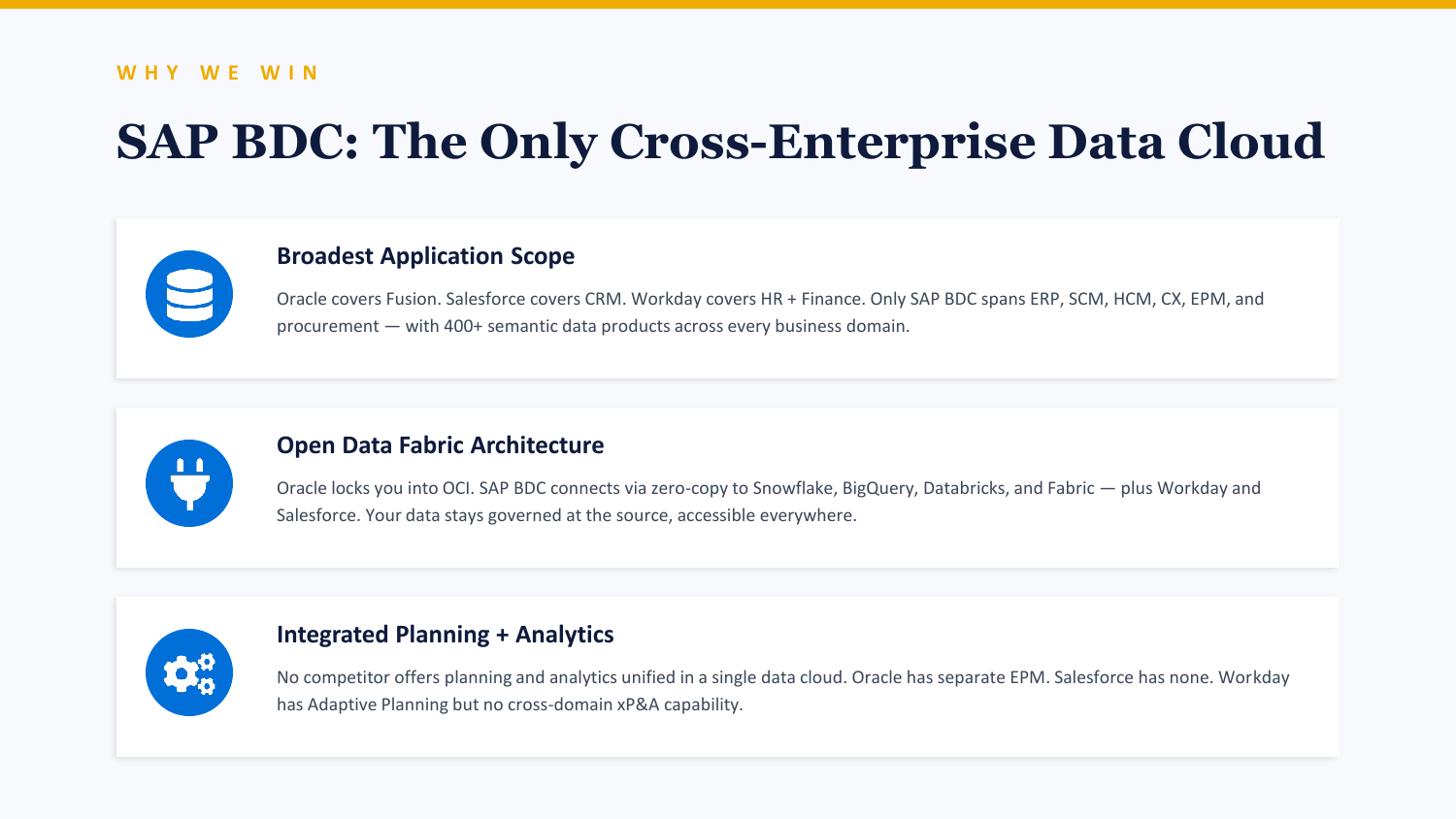
ChatGPT delivered a plain text document that looks like meeting notes. Claude delivered a branded presentation deck with professional typography, color scheme, and slide structure.
Side-by-Side Comparison
| Dimension | ChatGPT | Claude |
|---|---|---|
| Format | 7-page text document | 9-slide presentation structure |
| Competitor Intel | Generic positioning statements | Names, dates, ARR figures, acquisitions |
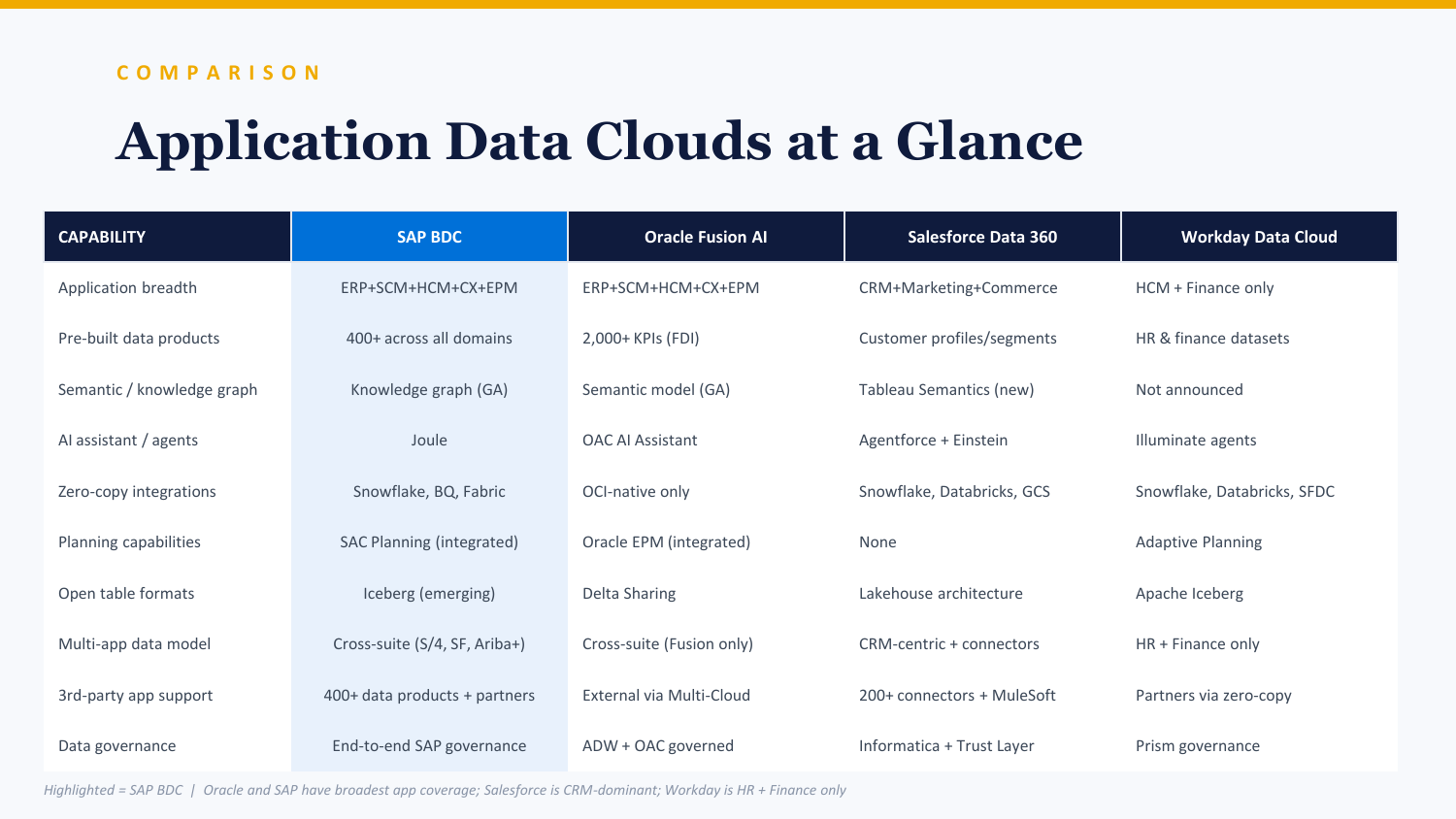
| Feature Comparison | None | 10-dimension comparison table |
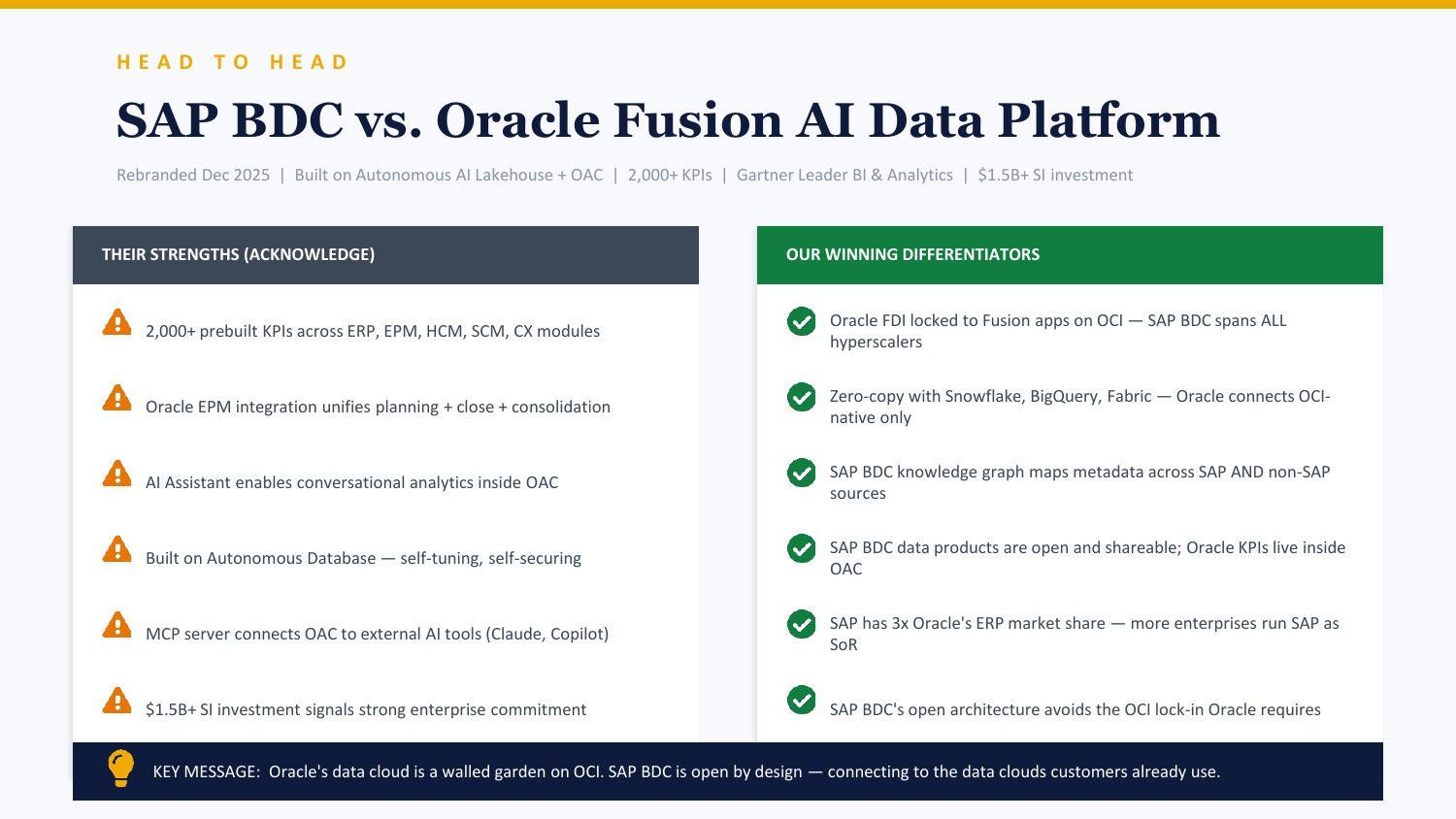
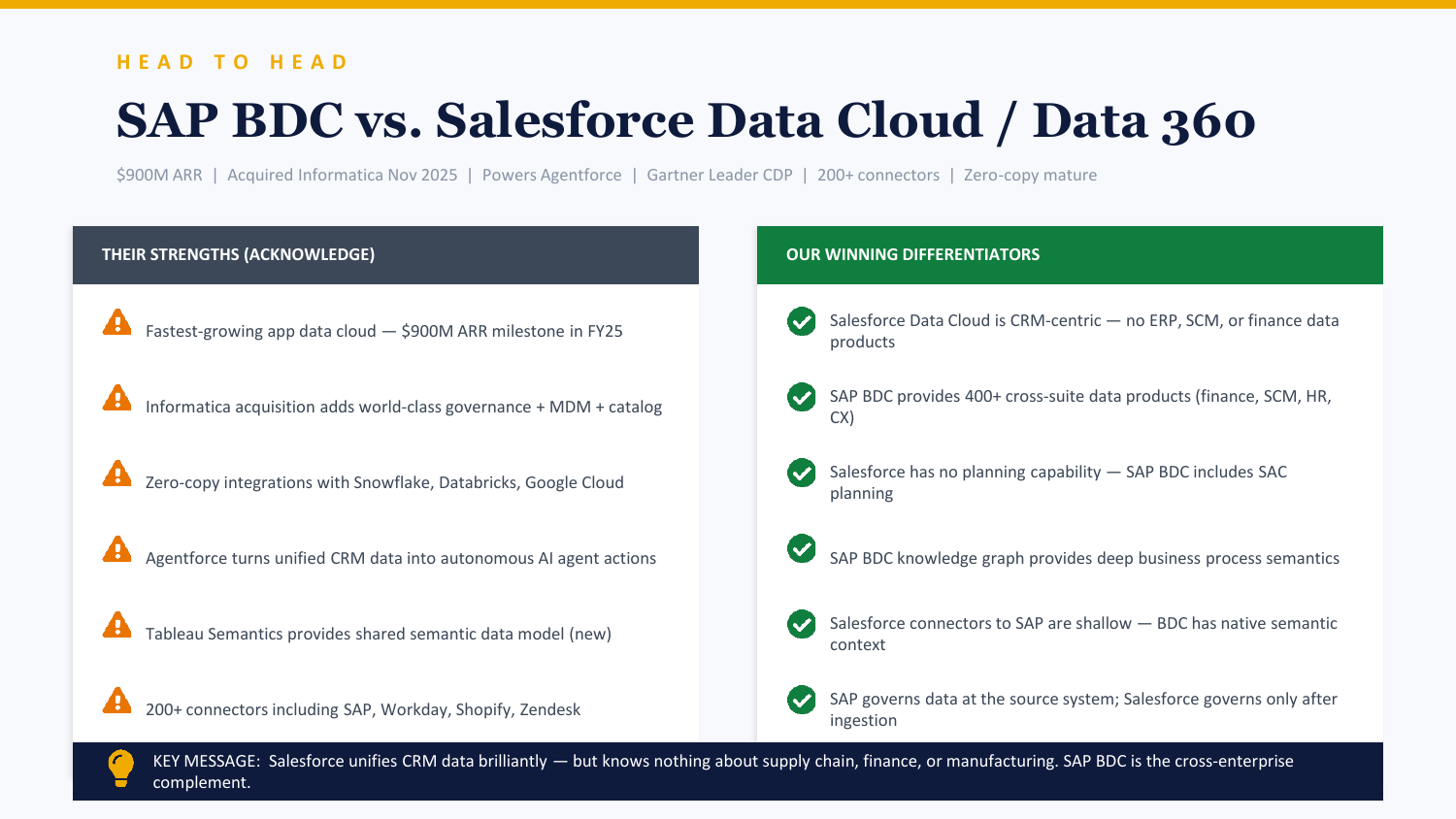
| Head-to-Head Slides | Brief bullet points per competitor | 3 dedicated competitor sections |
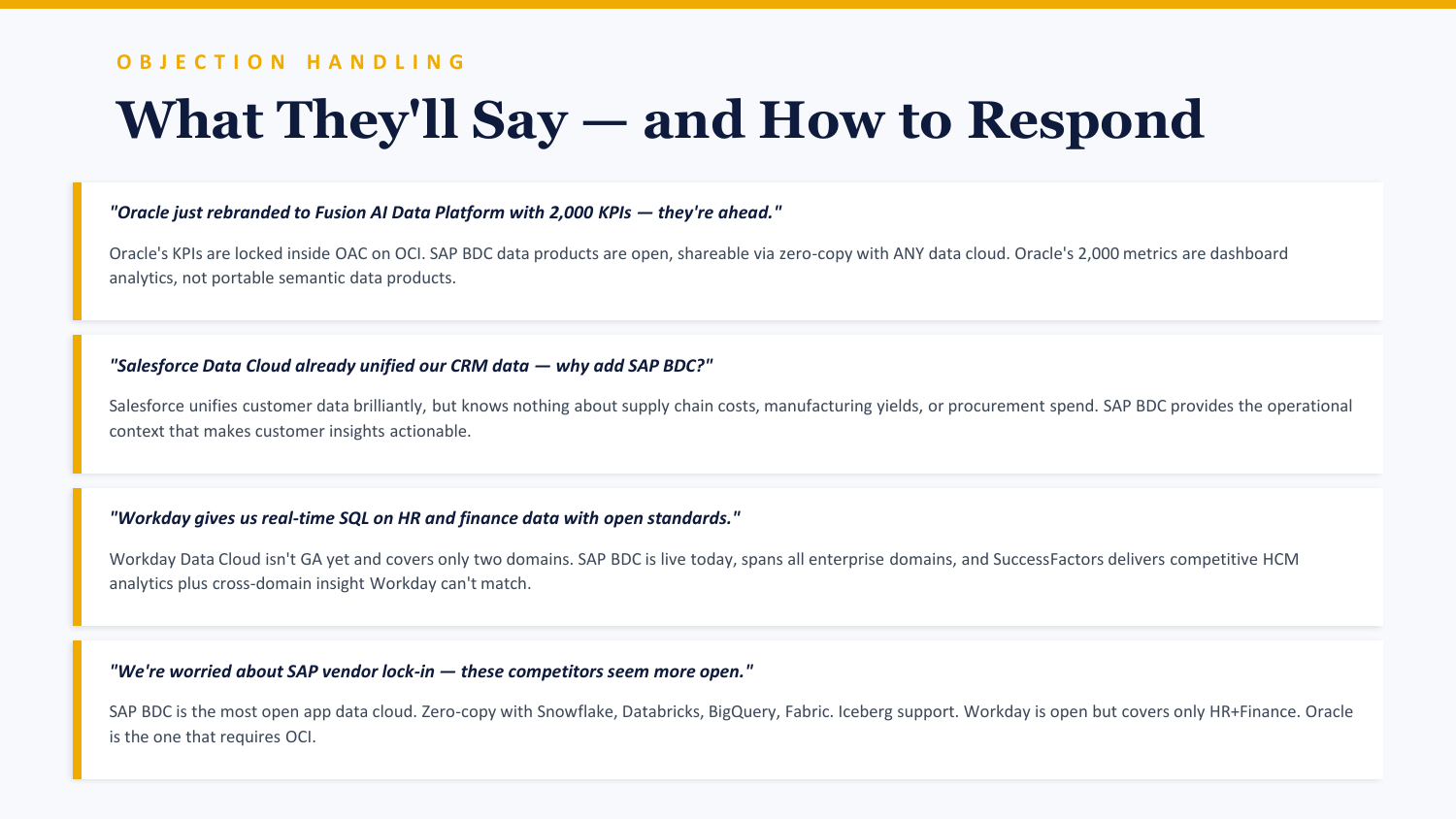
| Objection Handling | None | 4 specific objections with rebuttals |
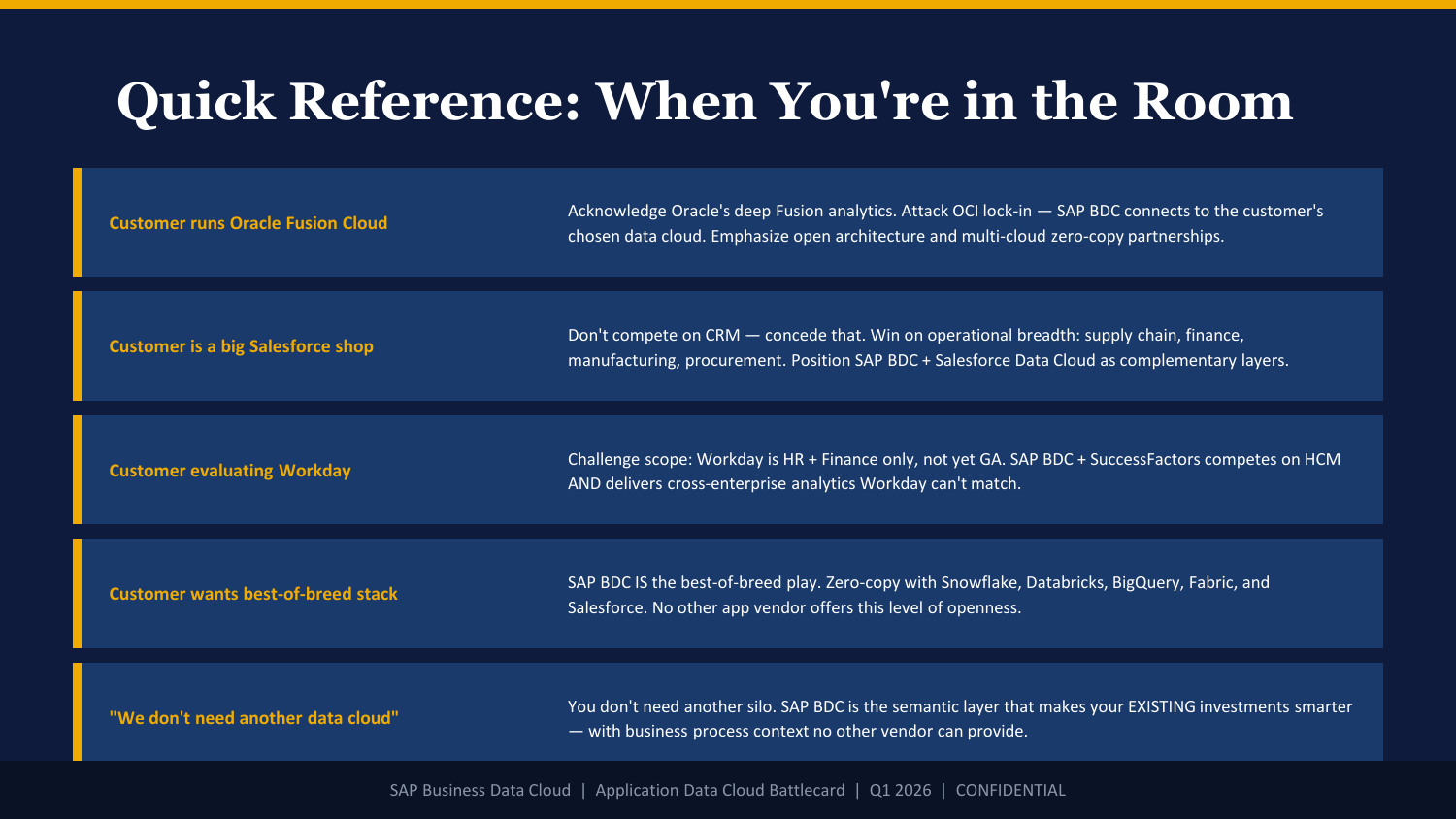
| Situational Guidance | None | "When You're in the Room" scenarios |
| Sales Readiness | Needs significant work | Immediately usable |
| Strategic Framing | Thoughtful market context | Good |
What ChatGPT Delivered
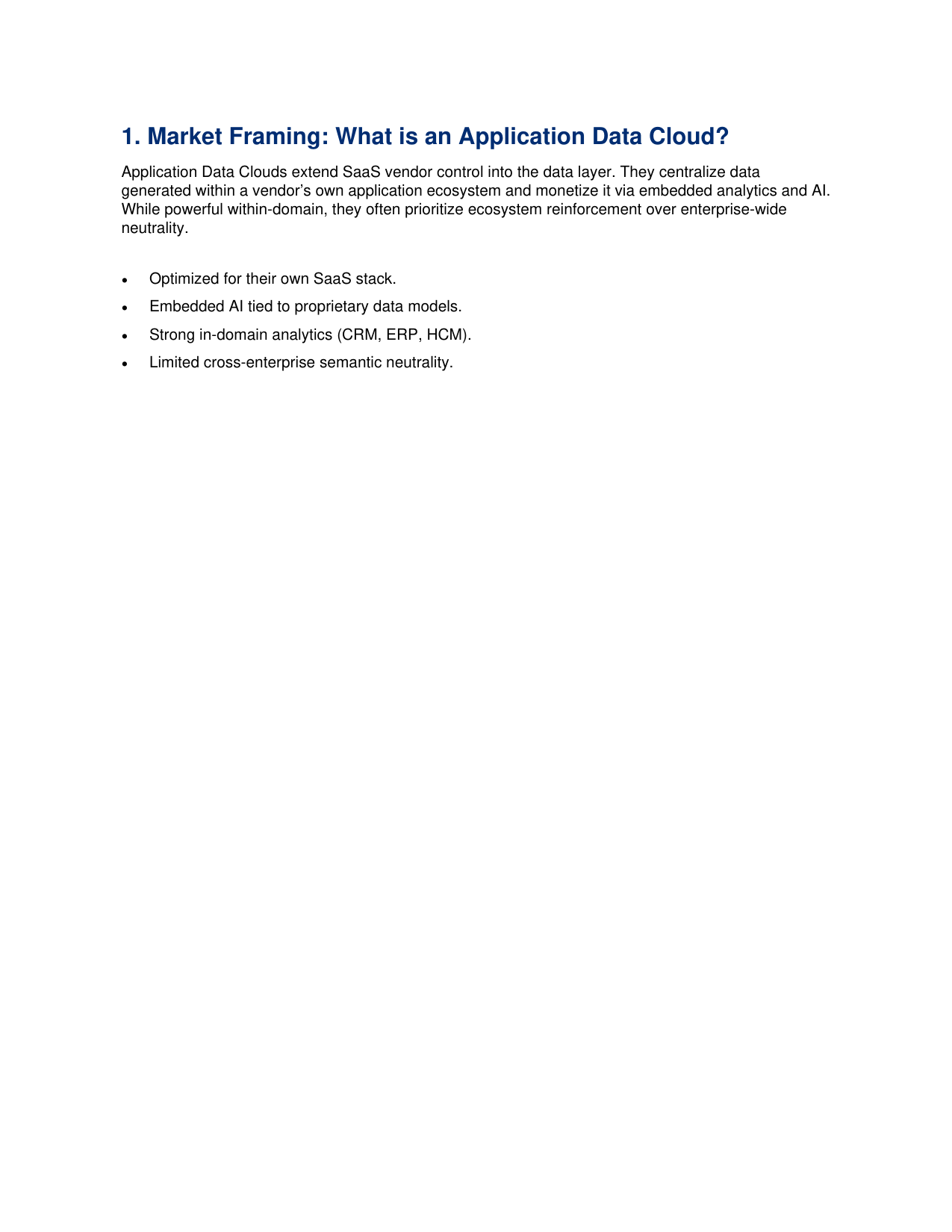
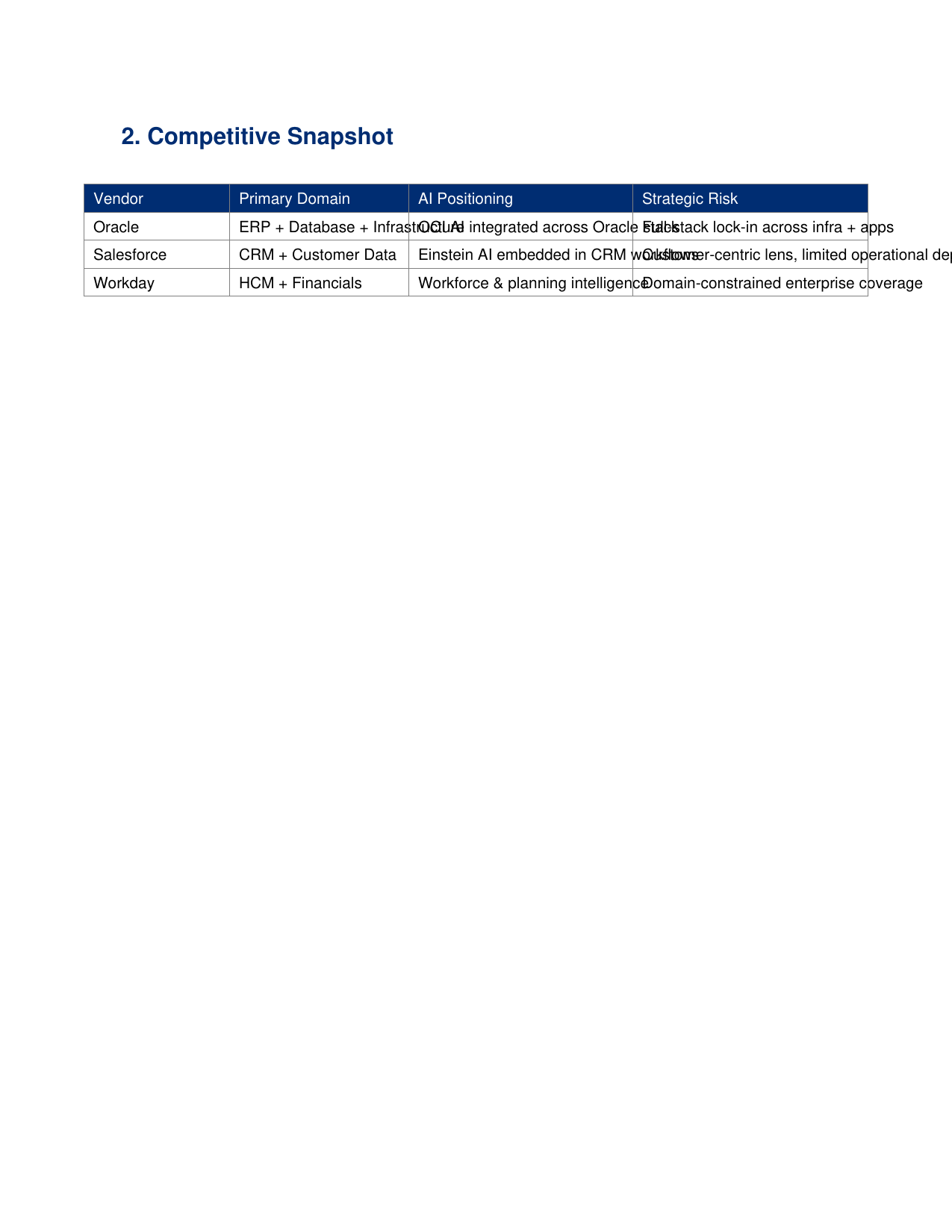
A 7-page text document with strategic framing and executive messaging themes. Thoughtful, but looks like a first draft from a junior analyst — not a sales-ready battlecard.
🎯 ChatGPT Strengths
- Market framing: Thoughtful definition of what "Application Data Clouds" actually are
- Strategic risk lens: Frames competitors in terms of strategic risk, not just features
- Executive messaging: C-level talking points about ecosystem lock-in
⚠️ ChatGPT Gaps
- Zero specific competitive intelligence
- No comparison tables or feature matrices
- No objection handling
- No situational "when to use this" guidance
- A sales rep couldn't use this in a live conversation
What Claude Delivered
A polished 9-slide presentation that looks like it came from a design agency. Professional branding, detailed comparison tables, objection handling with word-for-word rebuttals, and situational guidance for specific sales scenarios.
💪 Claude Strengths
- Specific competitive intel: Dates, ARR figures, acquisition details, GA timelines
- Sales-ready format: Slides a rep could use in a briefing tomorrow
- Practical guidance: "When to use this" situational advice
- Objection handling: Word-for-word rebuttals reps can memorize
The Scorecard
📊 Head-to-Head Scoring
The Verdict
Winner for Battlecards: Claude
For sales enablement content that reps can actually use, Claude delivered exactly what was asked for. ChatGPT gave a strategic framework that might inform a PMM's thinking — but wouldn't help a seller in a competitive deal.
💡 The Real Insight
Claude understood the assignment. A "battlecard" is a tactical sales tool, not a strategy document. It should have competitor details, objection handling, and situational guidance. Claude delivered all three — ChatGPT delivered none.
Caveats: Verify Everything
Claude's output was impressive, but some claims need verification before distribution:
- Did Salesforce actually acquire Informatica for $8B in Nov 2025?
- Is Oracle's rebrand date (Dec 2025) accurate?
- Is the "$900M ARR" figure for Salesforce Data Cloud correct?
The competitive intelligence is plausible but unverified. A PMM would need to fact-check before distributing to the sales team. But the structure, format, and approach are exactly right.
Bottom Line for PMMs
Key Takeaways
- For battlecards, use Claude. It understands what sales teams actually need.
- For strategic positioning, ChatGPT might help — but you'll need to prompt it much more specifically for tactical outputs.
- Always verify competitive claims. AI can hallucinate details with confidence.
- Combine the best of both: Use Claude's tactical depth with ChatGPT's strategic framing.
This test revealed something important: AI tools have different "personalities" when it comes to business content. Claude leans tactical and detailed. ChatGPT leans strategic and conceptual. Knowing which to use for which task will save you hours.